Buy lopezrubiolab.eu ?
We are moving the project
lopezrubiolab.eu .
Are you interested in purchasing the domain
lopezrubiolab.eu ?
domain@kv-gmbh.de · 0541-91531010
Buy lopezrubiolab.eu ?
Is it possible to have an Instagram bio longer than 150 characters?
No, Instagram bios are limited to 150 characters. This character limit is set by Instagram to encourage users to be concise and creative in describing themselves or their brand. It is important to make the most of these characters to convey a clear and engaging message to your audience. **
How can one study marine biology?
One can study marine biology by pursuing a degree in marine biology or a related field such as biology, zoology, or oceanography. It is important to take courses that focus on marine ecosystems, marine organisms, and oceanography. Additionally, gaining hands-on experience through internships, research opportunities, or volunteering at marine research institutions can provide valuable practical knowledge in the field. Finally, staying updated on current research and advancements in marine biology through scientific journals, conferences, and workshops is essential for a successful career in this field. **
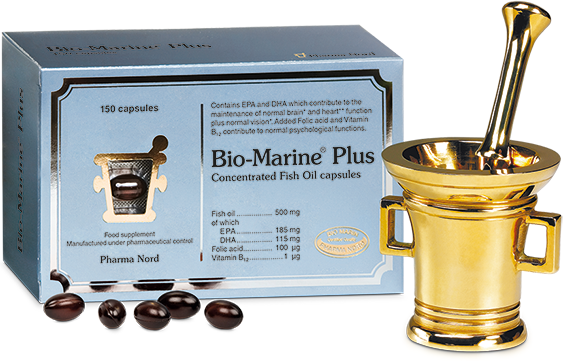

Similar search terms for Bio-Marine-Plus-150-caps
Top-Angebote
Products related to Bio-Marine-Plus-150-caps:
-
Bio-Curcumin 100 capsCurcumin is not easily absorbed by the body. Therefore when choosing a curcumin supplement, it is important to choose one with a high degree of bioavailability. Pharma Nord Bio-Curcumin uses a patented delivery form to ensure the curcumin is delivered effectively to the body.46,25 £*Shipping: 2,00 £Secure redirect to the provider
-
Bio-Carnitine 125 capsCarnitine is important in the metabolism of fat for energy production in muscle tissue. It is required for normal heart and muscle function since these tissues are particularly dependent on fatty acids as a source of energy.30,76 £*Shipping: 2,00 £Secure redirect to the provider




-
How difficult is the marine biology study?
Studying marine biology can be challenging due to the vast amount of information and concepts to learn, as well as the interdisciplinary nature of the field. Students are required to have a strong foundation in biology, chemistry, and physics, as well as specific knowledge related to marine ecosystems, organisms, and conservation. Fieldwork and research projects can also be physically demanding and time-consuming. However, with dedication, passion, and hard work, students can overcome these challenges and find the study of marine biology to be rewarding and fulfilling. **
-
How difficult is the marine biology degree?
The difficulty of a marine biology degree can vary depending on the individual's background, study habits, and the specific program they are enrolled in. Generally, the degree can be challenging due to the rigorous coursework in biology, chemistry, physics, and ecology, as well as the fieldwork and research required. Additionally, the degree often involves hands-on experience with marine organisms and ecosystems, which can be physically demanding. However, for those with a passion for marine life and a strong work ethic, the degree can be incredibly rewarding. **
-
Study marine biology, have lots of questions.
Studying marine biology is a great way to satisfy your curiosity about the ocean and its inhabitants. Through this field, you can explore a wide range of questions related to marine life, ecosystems, conservation, and more. By immersing yourself in the study of marine biology, you will have the opportunity to discover answers to your questions and contribute to our understanding of the marine world. **
-
What clothing is worn in marine biology?
Marine biologists typically wear clothing that is comfortable, durable, and suitable for outdoor and water-based activities. This often includes items such as quick-drying and moisture-wicking shirts and pants, water-resistant jackets, and sturdy closed-toe shoes or water shoes. Additionally, they may wear wetsuits or drysuits when conducting underwater research or diving. It is important for marine biologists to prioritize clothing that provides protection from the elements and allows for ease of movement while working in marine environments. **


What are interesting topics in marine biology?
Some interesting topics in marine biology include marine conservation and the impact of human activities on marine ecosystems, the study of marine biodiversity and the discovery of new species in the ocean, the role of marine microbes in nutrient cycling and ecosystem health, and the effects of climate change on marine organisms and ecosystems. Additionally, research on marine symbiosis, deep-sea exploration, and the behavior and communication of marine animals are also fascinating areas of study in marine biology. **
What are the requirements to study marine biology?
To study marine biology, one typically needs a strong background in biology, chemistry, and physics. A bachelor's degree in marine biology or a related field is usually required, and many marine biologists also pursue advanced degrees such as a master's or Ph.D. Field experience, internships, and research opportunities are also important for gaining practical knowledge and skills in marine biology. Additionally, a passion for the ocean and marine life, as well as strong critical thinking and problem-solving skills, are essential for success in this field. **
Top-Angebote
Products related to Bio-Marine-Plus-150-caps:
-
Bio-Curcumin 100 capsCurcumin is not easily absorbed by the body. Therefore when choosing a curcumin supplement, it is important to choose one with a high degree of bioavailability. Pharma Nord Bio-Curcumin uses a patented delivery form to ensure the curcumin is delivered effectively to the body.46,25 £*Shipping: 2,00 £Secure redirect to the provider
-
Is it possible to have an Instagram bio longer than 150 characters?
No, Instagram bios are limited to 150 characters. This character limit is set by Instagram to encourage users to be concise and creative in describing themselves or their brand. It is important to make the most of these characters to convey a clear and engaging message to your audience. **
-
How can one study marine biology?
One can study marine biology by pursuing a degree in marine biology or a related field such as biology, zoology, or oceanography. It is important to take courses that focus on marine ecosystems, marine organisms, and oceanography. Additionally, gaining hands-on experience through internships, research opportunities, or volunteering at marine research institutions can provide valuable practical knowledge in the field. Finally, staying updated on current research and advancements in marine biology through scientific journals, conferences, and workshops is essential for a successful career in this field. **
-
How difficult is the marine biology study?
Studying marine biology can be challenging due to the vast amount of information and concepts to learn, as well as the interdisciplinary nature of the field. Students are required to have a strong foundation in biology, chemistry, and physics, as well as specific knowledge related to marine ecosystems, organisms, and conservation. Fieldwork and research projects can also be physically demanding and time-consuming. However, with dedication, passion, and hard work, students can overcome these challenges and find the study of marine biology to be rewarding and fulfilling. **
-
How difficult is the marine biology degree?
The difficulty of a marine biology degree can vary depending on the individual's background, study habits, and the specific program they are enrolled in. Generally, the degree can be challenging due to the rigorous coursework in biology, chemistry, physics, and ecology, as well as the fieldwork and research required. Additionally, the degree often involves hands-on experience with marine organisms and ecosystems, which can be physically demanding. However, for those with a passion for marine life and a strong work ethic, the degree can be incredibly rewarding. **
Similar search terms for Bio-Marine-Plus-150-caps
-
Bio-Carnitine 125 capsCarnitine is important in the metabolism of fat for energy production in muscle tissue. It is required for normal heart and muscle function since these tissues are particularly dependent on fatty acids as a source of energy.30,76 £*Shipping: 2,00 £Secure redirect to the provider
-
Study marine biology, have lots of questions.
Studying marine biology is a great way to satisfy your curiosity about the ocean and its inhabitants. Through this field, you can explore a wide range of questions related to marine life, ecosystems, conservation, and more. By immersing yourself in the study of marine biology, you will have the opportunity to discover answers to your questions and contribute to our understanding of the marine world. **
-
What clothing is worn in marine biology?
Marine biologists typically wear clothing that is comfortable, durable, and suitable for outdoor and water-based activities. This often includes items such as quick-drying and moisture-wicking shirts and pants, water-resistant jackets, and sturdy closed-toe shoes or water shoes. Additionally, they may wear wetsuits or drysuits when conducting underwater research or diving. It is important for marine biologists to prioritize clothing that provides protection from the elements and allows for ease of movement while working in marine environments. **
-
What are interesting topics in marine biology?
Some interesting topics in marine biology include marine conservation and the impact of human activities on marine ecosystems, the study of marine biodiversity and the discovery of new species in the ocean, the role of marine microbes in nutrient cycling and ecosystem health, and the effects of climate change on marine organisms and ecosystems. Additionally, research on marine symbiosis, deep-sea exploration, and the behavior and communication of marine animals are also fascinating areas of study in marine biology. **
-
What are the requirements to study marine biology?
To study marine biology, one typically needs a strong background in biology, chemistry, and physics. A bachelor's degree in marine biology or a related field is usually required, and many marine biologists also pursue advanced degrees such as a master's or Ph.D. Field experience, internships, and research opportunities are also important for gaining practical knowledge and skills in marine biology. Additionally, a passion for the ocean and marine life, as well as strong critical thinking and problem-solving skills, are essential for success in this field. **
* All prices are inclusive of VAT and, if applicable, plus shipping costs. The offer information is based on the details provided by the respective shop and is updated through automated processes. Real-time updates do not occur, so deviations can occur in individual cases. ** Note: Parts of this content were created by AI.