Buy lopezrubiolab.eu ?
We are moving the project
lopezrubiolab.eu .
Are you interested in purchasing the domain
lopezrubiolab.eu ?
domain@kv-gmbh.de · 0541-91531010
Buy lopezrubiolab.eu ?
How can one distinguish ionic compounds from molecular compounds?
Ionic compounds are formed from the attraction between positively and negatively charged ions, while molecular compounds are formed from the sharing of electrons between atoms. One way to distinguish between the two is to look at their chemical formulas. Ionic compounds typically consist of a metal and a nonmetal, while molecular compounds consist of nonmetals only. Additionally, ionic compounds tend to have higher melting and boiling points compared to molecular compounds due to their strong electrostatic attractions. Finally, conducting a simple solubility test can also help distinguish between the two types of compounds, as ionic compounds are often soluble in water while molecular compounds may not be. **
How do you distinguish determinative compounds and possessive compounds?
Determinative compounds are formed by combining two words to create a new concept, where the first word determines the meaning of the second word. For example, "blackboard" is a determinative compound where "black" determines the type of "board." Possessive compounds, on the other hand, indicate possession or relationship between the two words. For example, "John's car" is a possessive compound where "John" possesses the "car." In summary, determinative compounds determine the meaning of the second word, while possessive compounds indicate possession or relationship between the two words. **

Similar search terms for Compounds
Top-Angebote
Products related to Compounds:
-
Uplift Picks Magic Crystal Growing Christmas Tree Science Experiment Toy For Kids white Snowman 15 CmTurn curiosity into wonder with a fun activity that feels like magic. This hands on science toy lets children watch crystals grow and bloom on a paper tree, creating a colorful and exciting transformation. Easy to set up and fascinating to observe,...54,98 $*Shipping: 0,00 $Secure redirect to the provider
-
CGP Books GCSE Combined Science: Biology AQA Revision Question Cards: superb for the 2024 and 2025 exams (CGP AQA GCSE Combined Science)It’s all very well reading through your study notes, but how much can you actually remember? Put your GCSE Biology knowledge to the test with CGP’s brilliant Revision Question Cards! There are 63 cards in the pack, covering all the key Biology topics from the Grade 9-1 AQA (Trilogy Specification) Combined Science course. Each one starts off with quick questions to warm you up, followed by harder questions to get your brain into top gear. Flip the card over and you’ll find full answers to each question, carefully written to help you understand everything you need to know. Along the way, we’ve packed in plenty of diagrams and expert revision tips, and there are even questions on Working Scientifically and Practical Skills. Amazing!6,95 £*Shipping: 2,99 £Secure redirect to the provider
-
CGP Books GCSE AQA Combined Science Revision Question Cards 3 Pack Set (Chemistry, Physics, Biology)To cut to the chase, there’s more to revision than just reading through study notes. If you really want to make sure you know GCSE Chemistry, Physics and Biology you’ll need to test yourself - and that’s where these CGP Revision Question Cards come in! There are 95 cards in the pack, covering every key Grade 9-1 AQA topic. Each one starts off with quick questions to warm you up, followed by harder questions to get your brain into top gear. Flip the card over and you’ll find full answers to each question, carefully written to help you understand everything you need to know. Along the way, we’ve packed in plenty of diagrams and expert revision tips, and there are even questions on Working Scientifically and Practical Skills. Amazing!21,99 £*Shipping: 2,99 £Secure redirect to the provider
-
Wayland ltd Comic Strip Science Series 4 Books Collection Set (Biology, Chemistry, Physics, Earth and Space)Comic Strip Science Series 4 Books Collection Set By Paul Mason (Biology, Physics, Earth and Space & Chemistry): Biology: Comic Strip Biology makes learning about the science behind animals, plants and the human body fun! Each spread in this series features a short, funny comic strip that explains a process or aspect of science. Around the strip, diagrams and panels give further information on the topic. They are a fantastic way to engage children aged 8 plus with science. Physics: Comic Strip Physics makes learning about the science behind forces, energy and simple machines fun! Each spread in this series features a short, funny comic strip that explains a process or aspect of science. Around the strip, diagrams and panels give further information on the topic. They are a fantastic way to engage children aged 8 plus with science. Earth and Space: Find out about the science behind the solar system, the big bang, gravity, black holes and much more with hilarous cartoon strips, facts and diagrams.Each spread in this series features a short, funny comic strip that explains a process or aspect of science. Around the strip, diagrams and panels give further information on the topic. They are a fantastic way to engage children aged 8 plus with science. Chemistry: Comic Strip Science: Chemistry makes learning about the science behind behind materials fun! It covers topics such as different states of matter, changing states, atoms and much more.Each spread in this series features a short, funny comic strip that explains a process or aspect of science. Around the strip, diagrams and panels give further information on the topic.12,89 £*Shipping: 2,99 £Secure redirect to the provider


-
Can you help me with chemistry? I need information about atomic compounds, metal compounds, and ionic compounds.
Of course! Atomic compounds are formed when two or more non-metal atoms are chemically bonded together, such as in molecules like water (H2O) and carbon dioxide (CO2). Metal compounds are formed when a metal atom is bonded to one or more non-metal atoms, such as in compounds like sodium chloride (NaCl) and iron oxide (Fe2O3). Ionic compounds are formed when a metal atom transfers one or more electrons to a non-metal atom, resulting in the formation of positively and negatively charged ions that are attracted to each other, such as in compounds like sodium chloride (NaCl) and calcium carbonate (CaCO3). Let me know if you need more specific information or examples! **
-
Why do molecular compounds have lower boiling points than ionic compounds?
Molecular compounds have lower boiling points than ionic compounds because the intermolecular forces holding the molecules together are generally weaker than the electrostatic forces holding ions together in ionic compounds. In molecular compounds, the intermolecular forces are typically van der Waals forces, dipole-dipole interactions, or hydrogen bonding, which are weaker than the strong ionic bonds in ionic compounds. As a result, less energy is required to overcome these weaker intermolecular forces, leading to lower boiling points for molecular compounds compared to ionic compounds. **
-
What are sodium compounds?
Sodium compounds are chemical compounds that contain sodium as one of their elements. These compounds can be found in various forms, such as sodium chloride (table salt), sodium hydroxide (lye), and sodium bicarbonate (baking soda). Sodium compounds are widely used in industry, agriculture, and everyday life due to their diverse properties and applications. **
-
Name the isomeric compounds.
Isomers are compounds that have the same molecular formula but different structural arrangements. Some examples of isomeric compounds include butane and isobutane, which both have the molecular formula C4H10 but differ in their structural arrangement. Another example is glucose and fructose, which both have the molecular formula C6H12O6 but have different structural arrangements and properties. **


What are atomic compounds?
Atomic compounds are chemical compounds that are composed of individual atoms of different elements bonded together. These compounds are held together by chemical bonds, such as ionic or covalent bonds, and do not contain any molecules. Examples of atomic compounds include sodium chloride (NaCl) and water (H2O). Unlike molecular compounds, which are made up of molecules, atomic compounds are made up of individual atoms. **
What are molecular compounds?
Molecular compounds are chemical compounds formed by the combination of two or more non-metal atoms. These atoms are held together by covalent bonds, which involve the sharing of electrons. Molecular compounds can exist as discrete molecules, such as water (H2O) and carbon dioxide (CO2), and they typically have lower melting and boiling points compared to ionic compounds. Examples of molecular compounds include methane (CH4), ammonia (NH3), and sulfur dioxide (SO2). **
Top-Angebote
Products related to Compounds:
-
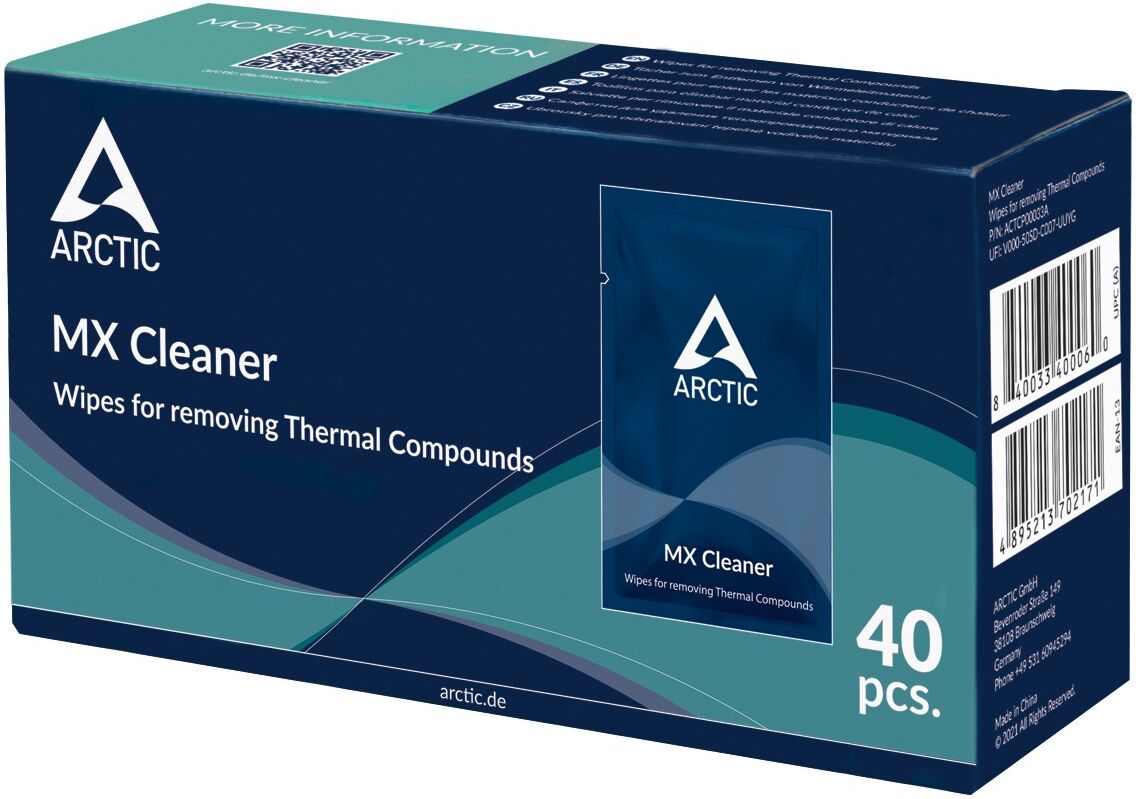
Arctic MX Cleaner - Wipes for removing Thermal Compounds (40 Pieces)ARCTIC MX Cleaner is a box of 40 individually sealed wet wipes for removing old thermal paste from CPUs, GPUs and heatsinks before reapplying compound. The cleaning fluid is limonene-based, derived from citrus oil, and contains no alcohol or benzene, so it is gentle on metals and alloys and leaves no residue. Each wipe is packed airtight to stay moist until it is used.12,99 £*Shipping: 0,00 £Secure redirect to the provider
-
Uplift Curations Electric Shock Toy For Kids Educational Touch Maze Game & Science Experiment Gift orangeTurn playtime into a fun learning adventure with this electric shock toy designed to entertain and educate. Whether at a birthday party or in the classroom, this kids science game offers a handson way for children to explore circuits and steadyhand...62,50 $*Shipping: 0,00 $Secure redirect to the provider
-
Uplift Picks Magic Crystal Growing Christmas Tree Science Experiment Toy For Kids white Snowman 15 CmTurn curiosity into wonder with a fun activity that feels like magic. This hands on science toy lets children watch crystals grow and bloom on a paper tree, creating a colorful and exciting transformation. Easy to set up and fascinating to observe,...54,98 $*Shipping: 0,00 $Secure redirect to the provider
-
CGP Books GCSE Combined Science: Biology AQA Revision Question Cards: superb for the 2024 and 2025 exams (CGP AQA GCSE Combined Science)It’s all very well reading through your study notes, but how much can you actually remember? Put your GCSE Biology knowledge to the test with CGP’s brilliant Revision Question Cards! There are 63 cards in the pack, covering all the key Biology topics from the Grade 9-1 AQA (Trilogy Specification) Combined Science course. Each one starts off with quick questions to warm you up, followed by harder questions to get your brain into top gear. Flip the card over and you’ll find full answers to each question, carefully written to help you understand everything you need to know. Along the way, we’ve packed in plenty of diagrams and expert revision tips, and there are even questions on Working Scientifically and Practical Skills. Amazing!6,95 £*Shipping: 2,99 £Secure redirect to the provider
-
How can one distinguish ionic compounds from molecular compounds?
Ionic compounds are formed from the attraction between positively and negatively charged ions, while molecular compounds are formed from the sharing of electrons between atoms. One way to distinguish between the two is to look at their chemical formulas. Ionic compounds typically consist of a metal and a nonmetal, while molecular compounds consist of nonmetals only. Additionally, ionic compounds tend to have higher melting and boiling points compared to molecular compounds due to their strong electrostatic attractions. Finally, conducting a simple solubility test can also help distinguish between the two types of compounds, as ionic compounds are often soluble in water while molecular compounds may not be. **
-
How do you distinguish determinative compounds and possessive compounds?
Determinative compounds are formed by combining two words to create a new concept, where the first word determines the meaning of the second word. For example, "blackboard" is a determinative compound where "black" determines the type of "board." Possessive compounds, on the other hand, indicate possession or relationship between the two words. For example, "John's car" is a possessive compound where "John" possesses the "car." In summary, determinative compounds determine the meaning of the second word, while possessive compounds indicate possession or relationship between the two words. **
-
Can you help me with chemistry? I need information about atomic compounds, metal compounds, and ionic compounds.
Of course! Atomic compounds are formed when two or more non-metal atoms are chemically bonded together, such as in molecules like water (H2O) and carbon dioxide (CO2). Metal compounds are formed when a metal atom is bonded to one or more non-metal atoms, such as in compounds like sodium chloride (NaCl) and iron oxide (Fe2O3). Ionic compounds are formed when a metal atom transfers one or more electrons to a non-metal atom, resulting in the formation of positively and negatively charged ions that are attracted to each other, such as in compounds like sodium chloride (NaCl) and calcium carbonate (CaCO3). Let me know if you need more specific information or examples! **
-
Why do molecular compounds have lower boiling points than ionic compounds?
Molecular compounds have lower boiling points than ionic compounds because the intermolecular forces holding the molecules together are generally weaker than the electrostatic forces holding ions together in ionic compounds. In molecular compounds, the intermolecular forces are typically van der Waals forces, dipole-dipole interactions, or hydrogen bonding, which are weaker than the strong ionic bonds in ionic compounds. As a result, less energy is required to overcome these weaker intermolecular forces, leading to lower boiling points for molecular compounds compared to ionic compounds. **
Similar search terms for Compounds
-
CGP Books GCSE AQA Combined Science Revision Question Cards 3 Pack Set (Chemistry, Physics, Biology)To cut to the chase, there’s more to revision than just reading through study notes. If you really want to make sure you know GCSE Chemistry, Physics and Biology you’ll need to test yourself - and that’s where these CGP Revision Question Cards come in! There are 95 cards in the pack, covering every key Grade 9-1 AQA topic. Each one starts off with quick questions to warm you up, followed by harder questions to get your brain into top gear. Flip the card over and you’ll find full answers to each question, carefully written to help you understand everything you need to know. Along the way, we’ve packed in plenty of diagrams and expert revision tips, and there are even questions on Working Scientifically and Practical Skills. Amazing!21,99 £*Shipping: 2,99 £Secure redirect to the provider
-
Wayland ltd Comic Strip Science Series 4 Books Collection Set (Biology, Chemistry, Physics, Earth and Space)Comic Strip Science Series 4 Books Collection Set By Paul Mason (Biology, Physics, Earth and Space & Chemistry): Biology: Comic Strip Biology makes learning about the science behind animals, plants and the human body fun! Each spread in this series features a short, funny comic strip that explains a process or aspect of science. Around the strip, diagrams and panels give further information on the topic. They are a fantastic way to engage children aged 8 plus with science. Physics: Comic Strip Physics makes learning about the science behind forces, energy and simple machines fun! Each spread in this series features a short, funny comic strip that explains a process or aspect of science. Around the strip, diagrams and panels give further information on the topic. They are a fantastic way to engage children aged 8 plus with science. Earth and Space: Find out about the science behind the solar system, the big bang, gravity, black holes and much more with hilarous cartoon strips, facts and diagrams.Each spread in this series features a short, funny comic strip that explains a process or aspect of science. Around the strip, diagrams and panels give further information on the topic. They are a fantastic way to engage children aged 8 plus with science. Chemistry: Comic Strip Science: Chemistry makes learning about the science behind behind materials fun! It covers topics such as different states of matter, changing states, atoms and much more.Each spread in this series features a short, funny comic strip that explains a process or aspect of science. Around the strip, diagrams and panels give further information on the topic.12,89 £*Shipping: 2,99 £Secure redirect to the provider
-
Uplifted Finds Kids Collision Electric Shock Toy Education Electric Touch Maze Game Party Funny Science Experiment Toy orangeBring excitement and learning together with this electric touch maze game for kids. Designed to develop hand eye coordination, focus, and problem solving, this fun science toy challenges children to guide the wand through the maze without touching...42,97 $*Shipping: 0,00 $Secure redirect to the provider
-
Research-powered Eye Duo - Skincare Kit Charlotte Tilbury 3322 Charlotte's Research-powered Eye Duo Size:Darlings, unlock the secret to eyes that appear brighter, depuffed, smoother and younger with my Research-Powered Eye Duo! This CharlotteTilbury.com EXCLUSIVE skincare duo includes:94,05 £*Shipping: 0,00 £Secure redirect to the provider
-
What are sodium compounds?
Sodium compounds are chemical compounds that contain sodium as one of their elements. These compounds can be found in various forms, such as sodium chloride (table salt), sodium hydroxide (lye), and sodium bicarbonate (baking soda). Sodium compounds are widely used in industry, agriculture, and everyday life due to their diverse properties and applications. **
-
Name the isomeric compounds.
Isomers are compounds that have the same molecular formula but different structural arrangements. Some examples of isomeric compounds include butane and isobutane, which both have the molecular formula C4H10 but differ in their structural arrangement. Another example is glucose and fructose, which both have the molecular formula C6H12O6 but have different structural arrangements and properties. **
-
What are atomic compounds?
Atomic compounds are chemical compounds that are composed of individual atoms of different elements bonded together. These compounds are held together by chemical bonds, such as ionic or covalent bonds, and do not contain any molecules. Examples of atomic compounds include sodium chloride (NaCl) and water (H2O). Unlike molecular compounds, which are made up of molecules, atomic compounds are made up of individual atoms. **
-
What are molecular compounds?
Molecular compounds are chemical compounds formed by the combination of two or more non-metal atoms. These atoms are held together by covalent bonds, which involve the sharing of electrons. Molecular compounds can exist as discrete molecules, such as water (H2O) and carbon dioxide (CO2), and they typically have lower melting and boiling points compared to ionic compounds. Examples of molecular compounds include methane (CH4), ammonia (NH3), and sulfur dioxide (SO2). **
* All prices are inclusive of VAT and, if applicable, plus shipping costs. The offer information is based on the details provided by the respective shop and is updated through automated processes. Real-time updates do not occur, so deviations can occur in individual cases. ** Note: Parts of this content were created by AI.