Buy lopezrubiolab.eu ?
We are moving the project
lopezrubiolab.eu .
Are you interested in purchasing the domain
lopezrubiolab.eu ?
domain@kv-gmbh.de · 0541-91531010
Buy lopezrubiolab.eu ?
How do I remove the carbon brush from the holder?
To remove the carbon brush from the holder, first, locate the holder on the tool or equipment. Next, gently pull the carbon brush out of the holder by gripping it firmly and pulling it straight out. Be careful not to damage the brush or the holder during this process. If the brush is stuck, you may need to wiggle it slightly while pulling to loosen it from the holder. **
Why is the Candy washing machine not spinning and not draining? Is the motor carbon brush defective?
The Candy washing machine may not be spinning and draining due to a variety of reasons such as a clogged drain hose, a faulty drain pump, or a malfunctioning motor. The motor carbon brush could be defective, which could result in the motor not functioning properly and causing the machine to not spin or drain. It is important to check the motor carbon brush for wear and tear, and if it is found to be defective, it should be replaced to see if it resolves the issue. **
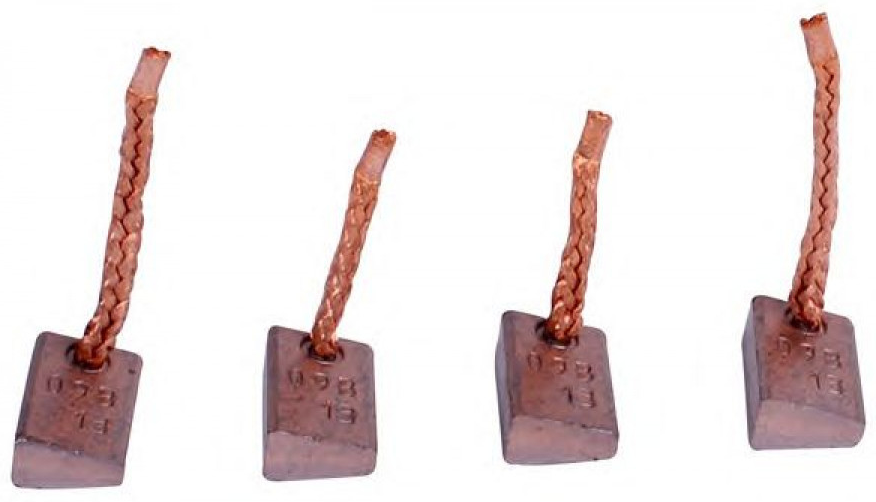

Similar search terms for ERA-233077-Carbon-Brush
Top-Angebote
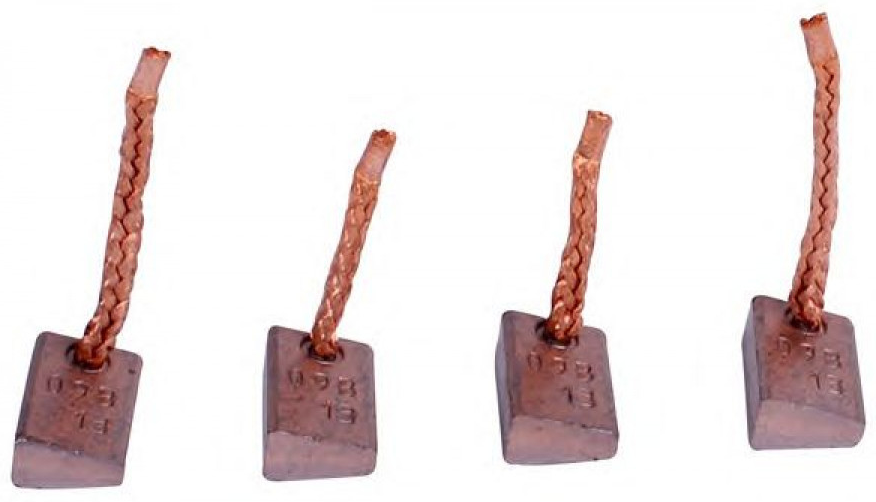
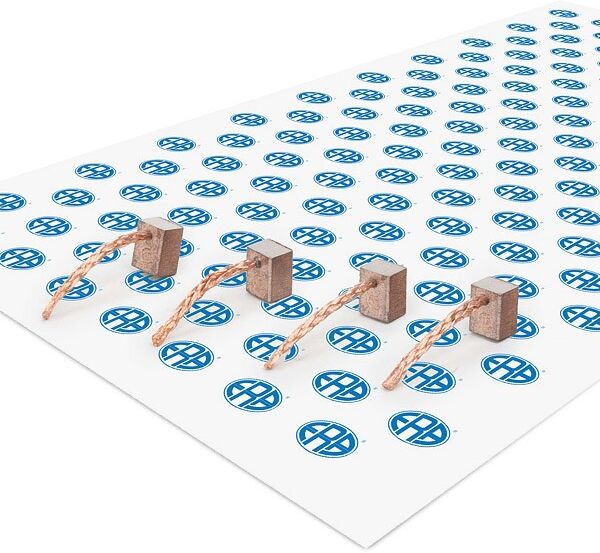
Products related to ERA-233077-Carbon-Brush:


-
Is carbon the same as carbon fiber?
No, carbon and carbon fiber are not the same. Carbon is a chemical element with the symbol C and atomic number 6, while carbon fiber is a material made of thin fibers composed mostly of carbon atoms. Carbon fiber is a lightweight and strong material commonly used in aerospace, automotive, and sporting goods industries, while carbon in its elemental form has various uses in different industries. **
-
What are non-aromatic carbon-carbon bonds?
Non-aromatic carbon-carbon bonds are simply carbon-carbon bonds that do not participate in aromaticity. Aromaticity refers to a special type of bonding in organic molecules that results in increased stability and unique reactivity. Non-aromatic carbon-carbon bonds can be found in a wide range of organic compounds and can exhibit different types of reactivity and properties depending on their specific chemical environment. These bonds can be found in aliphatic hydrocarbons, such as alkanes and alkenes, as well as in many other organic molecules. **
-
What is the interpretation and analysis of the Biedermeier era?
The Biedermeier era, which took place in Central Europe from the late 1810s to the early 1840s, is often seen as a period of conservative and restrained cultural and artistic expression. It is characterized by a focus on domesticity, simplicity, and nostalgia for a perceived idyllic past. The era's furniture and decorative arts are known for their clean lines, functionality, and use of natural materials. Overall, the Biedermeier era is interpreted as a response to the political and social upheavals of the time, with a desire for stability and comfort reflected in its art and design. **
-
Is carbon and carbon fiber the same thing?
No, carbon and carbon fiber are not the same thing. Carbon is a chemical element with the symbol C and atomic number 6, while carbon fiber is a material made of thin strands of carbon woven together. Carbon fiber is a composite material that is known for its high strength-to-weight ratio and is commonly used in aerospace, automotive, and sporting goods industries. **


How can we classify science in the era of Faust?
In the era of Faust, science can be classified as both a tool for progress and a potential source of moral and ethical dilemmas. On one hand, science is seen as a means to advance human knowledge, improve technology, and solve complex problems. On the other hand, the pursuit of scientific knowledge can lead to ethical concerns, such as the potential for misuse of technology or the unintended consequences of scientific advancements. Therefore, science in the era of Faust can be classified as a double-edged sword, with the potential for both great benefit and great harm. **
How can one classify science in the era of Faust?
In the era of Faust, science can be classified as both a tool for progress and a potential source of danger. Science is portrayed as a means for humans to gain knowledge and power, much like Faust's pursuit of ultimate knowledge. However, science can also be seen as a double-edged sword, capable of leading to unintended consequences and ethical dilemmas, as seen in Faust's tragic story. Overall, science in the era of Faust can be classified as a complex and multifaceted force that holds both promise and peril for humanity. **
Top-Angebote
Products related to ERA-233077-Carbon-Brush:
-
How do I remove the carbon brush from the holder?
To remove the carbon brush from the holder, first, locate the holder on the tool or equipment. Next, gently pull the carbon brush out of the holder by gripping it firmly and pulling it straight out. Be careful not to damage the brush or the holder during this process. If the brush is stuck, you may need to wiggle it slightly while pulling to loosen it from the holder. **
-
Why is the Candy washing machine not spinning and not draining? Is the motor carbon brush defective?
The Candy washing machine may not be spinning and draining due to a variety of reasons such as a clogged drain hose, a faulty drain pump, or a malfunctioning motor. The motor carbon brush could be defective, which could result in the motor not functioning properly and causing the machine to not spin or drain. It is important to check the motor carbon brush for wear and tear, and if it is found to be defective, it should be replaced to see if it resolves the issue. **
-
Is carbon the same as carbon fiber?
No, carbon and carbon fiber are not the same. Carbon is a chemical element with the symbol C and atomic number 6, while carbon fiber is a material made of thin fibers composed mostly of carbon atoms. Carbon fiber is a lightweight and strong material commonly used in aerospace, automotive, and sporting goods industries, while carbon in its elemental form has various uses in different industries. **
-
What are non-aromatic carbon-carbon bonds?
Non-aromatic carbon-carbon bonds are simply carbon-carbon bonds that do not participate in aromaticity. Aromaticity refers to a special type of bonding in organic molecules that results in increased stability and unique reactivity. Non-aromatic carbon-carbon bonds can be found in a wide range of organic compounds and can exhibit different types of reactivity and properties depending on their specific chemical environment. These bonds can be found in aliphatic hydrocarbons, such as alkanes and alkenes, as well as in many other organic molecules. **
Similar search terms for ERA-233077-Carbon-Brush
-
What is the interpretation and analysis of the Biedermeier era?
The Biedermeier era, which took place in Central Europe from the late 1810s to the early 1840s, is often seen as a period of conservative and restrained cultural and artistic expression. It is characterized by a focus on domesticity, simplicity, and nostalgia for a perceived idyllic past. The era's furniture and decorative arts are known for their clean lines, functionality, and use of natural materials. Overall, the Biedermeier era is interpreted as a response to the political and social upheavals of the time, with a desire for stability and comfort reflected in its art and design. **
-
Is carbon and carbon fiber the same thing?
No, carbon and carbon fiber are not the same thing. Carbon is a chemical element with the symbol C and atomic number 6, while carbon fiber is a material made of thin strands of carbon woven together. Carbon fiber is a composite material that is known for its high strength-to-weight ratio and is commonly used in aerospace, automotive, and sporting goods industries. **
-
How can we classify science in the era of Faust?
In the era of Faust, science can be classified as both a tool for progress and a potential source of moral and ethical dilemmas. On one hand, science is seen as a means to advance human knowledge, improve technology, and solve complex problems. On the other hand, the pursuit of scientific knowledge can lead to ethical concerns, such as the potential for misuse of technology or the unintended consequences of scientific advancements. Therefore, science in the era of Faust can be classified as a double-edged sword, with the potential for both great benefit and great harm. **
-
How can one classify science in the era of Faust?
In the era of Faust, science can be classified as both a tool for progress and a potential source of danger. Science is portrayed as a means for humans to gain knowledge and power, much like Faust's pursuit of ultimate knowledge. However, science can also be seen as a double-edged sword, capable of leading to unintended consequences and ethical dilemmas, as seen in Faust's tragic story. Overall, science in the era of Faust can be classified as a complex and multifaceted force that holds both promise and peril for humanity. **
* All prices are inclusive of VAT and, if applicable, plus shipping costs. The offer information is based on the details provided by the respective shop and is updated through automated processes. Real-time updates do not occur, so deviations can occur in individual cases. ** Note: Parts of this content were created by AI.