Buy lopezrubiolab.eu ?
We are moving the project
lopezrubiolab.eu .
Are you interested in purchasing the domain
lopezrubiolab.eu ?
domain@kv-gmbh.de · 0541-91531010
Buy lopezrubiolab.eu ?
What is a proof against polytheism?
One proof against polytheism is the concept of monotheism, which posits the existence of a single, all-powerful, and all-knowing deity. Monotheistic religions such as Christianity, Islam, and Judaism argue that the existence of multiple gods would lead to conflicts and contradictions, whereas a single God provides a unified and coherent understanding of the universe. Additionally, the idea of a single creator who is responsible for the order and design of the universe is seen as evidence against the existence of multiple, independent gods. Finally, the moral and ethical implications of monotheism, such as the idea of a single source of ultimate justice and righteousness, are often used as arguments against polytheism. **
What speaks in favor of polytheism?
Polytheism can be seen as a way to acknowledge and honor the diversity of human experiences and beliefs. It allows for a more inclusive and tolerant approach to spirituality, as it recognizes the validity of different gods and goddesses in different cultures. Additionally, polytheism can provide a more personalized and multifaceted understanding of the divine, as individuals can connect with various deities that represent different aspects of life and the natural world. This can lead to a more holistic and interconnected view of the universe. **


Similar search terms for Polytheism
Top-Angebote
Products related to Polytheism:
-
Uplift Picks Magic Crystal Growing Christmas Tree Science Experiment Toy For Kids white Snowman 15 CmTurn curiosity into wonder with a fun activity that feels like magic. This hands on science toy lets children watch crystals grow and bloom on a paper tree, creating a colorful and exciting transformation. Easy to set up and fascinating to observe,...54,98 $*Shipping: 0,00 $Secure redirect to the provider
-
CGP Books GCSE AQA Combined Science Revision Question Cards 3 Pack Set (Chemistry, Physics, Biology)To cut to the chase, there’s more to revision than just reading through study notes. If you really want to make sure you know GCSE Chemistry, Physics and Biology you’ll need to test yourself - and that’s where these CGP Revision Question Cards come in! There are 95 cards in the pack, covering every key Grade 9-1 AQA topic. Each one starts off with quick questions to warm you up, followed by harder questions to get your brain into top gear. Flip the card over and you’ll find full answers to each question, carefully written to help you understand everything you need to know. Along the way, we’ve packed in plenty of diagrams and expert revision tips, and there are even questions on Working Scientifically and Practical Skills. Amazing!21,99 £*Shipping: 2,99 £Secure redirect to the provider
-
Uplifted Finds Kids Collision Electric Shock Toy Education Electric Touch Maze Game Party Funny Science Experiment Toy orangeBring excitement and learning together with this electric touch maze game for kids. Designed to develop hand eye coordination, focus, and problem solving, this fun science toy challenges children to guide the wand through the maze without touching...42,97 $*Shipping: 0,00 $Secure redirect to the provider
-
Research-powered Eye Duo - Skincare Kit Charlotte Tilbury 3265 Charlotte's Research-powered Eye Duo Size:Darlings, unlock the secret to eyes that appear brighter, depuffed, smoother and younger with my Research-Powered Eye Duo! This CharlotteTilbury.com EXCLUSIVE skincare duo includes:94,05 £*Shipping: 0,00 £Secure redirect to the provider



-
Was polytheism always forbidden in Judaism?
Polytheism was always forbidden in Judaism. The belief in one God, known as monotheism, has been a central tenet of Judaism since its inception. The first of the Ten Commandments explicitly states, "You shall have no other gods before me." Throughout the Hebrew Bible, there are numerous admonitions against worshiping other gods or idols. Therefore, polytheism has never been an accepted belief within Judaism. **
-
What do you think of polytheism and why?
Polytheism is the belief in multiple deities or gods, each with their own unique powers and characteristics. I think polytheism can offer a diverse and rich understanding of the world, as it allows for a variety of perspectives and interpretations of the divine. It can also provide a sense of connection to different aspects of life and nature. However, some may find it challenging to navigate the complexities of multiple gods and their relationships, leading to potential confusion or conflict within the belief system. **
-
What is the difference between polytheism and henotheism?
Polytheism is the belief in multiple deities or gods, where each god has its own unique powers and characteristics. Henotheism, on the other hand, is the belief in multiple gods but with the recognition of one primary god that is worshipped above all others. In henotheism, followers may acknowledge the existence of other gods but choose to focus their worship and devotion on one main deity. **
-
In which countries is there still strong polytheism?
Strong polytheism is still practiced in countries such as India, Nepal, Japan, and various parts of Africa. In India, Hinduism is the predominant religion, which is polytheistic and has a wide array of gods and goddesses. In Nepal, the traditional religion of the country, known as Kiratism, is polytheistic and worships a pantheon of deities. Shintoism in Japan is also a polytheistic religion that venerates a multitude of kami (spirits or gods). Additionally, various African countries have indigenous religions that are polytheistic in nature, with a belief in multiple deities and spirits. **

Can someone explain the terms polytheism and monotheism?
Polytheism is the belief in and worship of multiple deities or gods. This means that followers of polytheistic religions believe in the existence of several gods, each with their own powers and responsibilities. Examples of polytheistic religions include Hinduism, ancient Greek and Roman religions, and various indigenous belief systems. On the other hand, monotheism is the belief in and worship of a single, all-powerful deity. This means that followers of monotheistic religions believe in the existence of only one god, who is seen as the creator and ruler of the universe. Examples of monotheistic religions include Christianity, Islam, and Judaism. **
Why do people believe in multiple gods in polytheism?
People believe in multiple gods in polytheism because they see the world as complex and diverse, and they believe that different gods have different powers and responsibilities. They may also believe that each god represents different aspects of life, such as love, war, nature, or wisdom. Additionally, polytheistic beliefs often reflect the cultural and historical diversity of a society, with different gods representing different regions, traditions, and historical events. Overall, polytheism allows for a more nuanced and diverse understanding of the divine and the world. **
Top-Angebote
Products related to Polytheism:
-
Uplift Curations Electric Shock Toy For Kids Educational Touch Maze Game & Science Experiment Gift greenTurn playtime into a fun learning adventure with this electric shock toy designed to entertain and educate. Whether at a birthday party or in the classroom, this kids science game offers a handson way for children to explore circuits and steadyhand...62,50 $*Shipping: 0,00 $Secure redirect to the provider
-
CGP Books GCSE Combined Science: Biology AQA Revision Question Cards: superb for the 2024 and 2025 exams (CGP AQA GCSE Combined Science)It’s all very well reading through your study notes, but how much can you actually remember? Put your GCSE Biology knowledge to the test with CGP’s brilliant Revision Question Cards! There are 63 cards in the pack, covering all the key Biology topics from the Grade 9-1 AQA (Trilogy Specification) Combined Science course. Each one starts off with quick questions to warm you up, followed by harder questions to get your brain into top gear. Flip the card over and you’ll find full answers to each question, carefully written to help you understand everything you need to know. Along the way, we’ve packed in plenty of diagrams and expert revision tips, and there are even questions on Working Scientifically and Practical Skills. Amazing!6,95 £*Shipping: 2,99 £Secure redirect to the provider
-
Uplift Picks Magic Crystal Growing Christmas Tree Science Experiment Toy For Kids white Snowman 15 CmTurn curiosity into wonder with a fun activity that feels like magic. This hands on science toy lets children watch crystals grow and bloom on a paper tree, creating a colorful and exciting transformation. Easy to set up and fascinating to observe,...54,98 $*Shipping: 0,00 $Secure redirect to the provider
-
CGP Books GCSE AQA Combined Science Revision Question Cards 3 Pack Set (Chemistry, Physics, Biology)To cut to the chase, there’s more to revision than just reading through study notes. If you really want to make sure you know GCSE Chemistry, Physics and Biology you’ll need to test yourself - and that’s where these CGP Revision Question Cards come in! There are 95 cards in the pack, covering every key Grade 9-1 AQA topic. Each one starts off with quick questions to warm you up, followed by harder questions to get your brain into top gear. Flip the card over and you’ll find full answers to each question, carefully written to help you understand everything you need to know. Along the way, we’ve packed in plenty of diagrams and expert revision tips, and there are even questions on Working Scientifically and Practical Skills. Amazing!21,99 £*Shipping: 2,99 £Secure redirect to the provider
-
What is a proof against polytheism?
One proof against polytheism is the concept of monotheism, which posits the existence of a single, all-powerful, and all-knowing deity. Monotheistic religions such as Christianity, Islam, and Judaism argue that the existence of multiple gods would lead to conflicts and contradictions, whereas a single God provides a unified and coherent understanding of the universe. Additionally, the idea of a single creator who is responsible for the order and design of the universe is seen as evidence against the existence of multiple, independent gods. Finally, the moral and ethical implications of monotheism, such as the idea of a single source of ultimate justice and righteousness, are often used as arguments against polytheism. **
-
What speaks in favor of polytheism?
Polytheism can be seen as a way to acknowledge and honor the diversity of human experiences and beliefs. It allows for a more inclusive and tolerant approach to spirituality, as it recognizes the validity of different gods and goddesses in different cultures. Additionally, polytheism can provide a more personalized and multifaceted understanding of the divine, as individuals can connect with various deities that represent different aspects of life and the natural world. This can lead to a more holistic and interconnected view of the universe. **
-
Was polytheism always forbidden in Judaism?
Polytheism was always forbidden in Judaism. The belief in one God, known as monotheism, has been a central tenet of Judaism since its inception. The first of the Ten Commandments explicitly states, "You shall have no other gods before me." Throughout the Hebrew Bible, there are numerous admonitions against worshiping other gods or idols. Therefore, polytheism has never been an accepted belief within Judaism. **
-
What do you think of polytheism and why?
Polytheism is the belief in multiple deities or gods, each with their own unique powers and characteristics. I think polytheism can offer a diverse and rich understanding of the world, as it allows for a variety of perspectives and interpretations of the divine. It can also provide a sense of connection to different aspects of life and nature. However, some may find it challenging to navigate the complexities of multiple gods and their relationships, leading to potential confusion or conflict within the belief system. **
Similar search terms for Polytheism
-
Uplifted Finds Kids Collision Electric Shock Toy Education Electric Touch Maze Game Party Funny Science Experiment Toy orangeBring excitement and learning together with this electric touch maze game for kids. Designed to develop hand eye coordination, focus, and problem solving, this fun science toy challenges children to guide the wand through the maze without touching...42,97 $*Shipping: 0,00 $Secure redirect to the provider
-
Research-powered Eye Duo - Skincare Kit Charlotte Tilbury 3265 Charlotte's Research-powered Eye Duo Size:Darlings, unlock the secret to eyes that appear brighter, depuffed, smoother and younger with my Research-Powered Eye Duo! This CharlotteTilbury.com EXCLUSIVE skincare duo includes:94,05 £*Shipping: 0,00 £Secure redirect to the provider
-
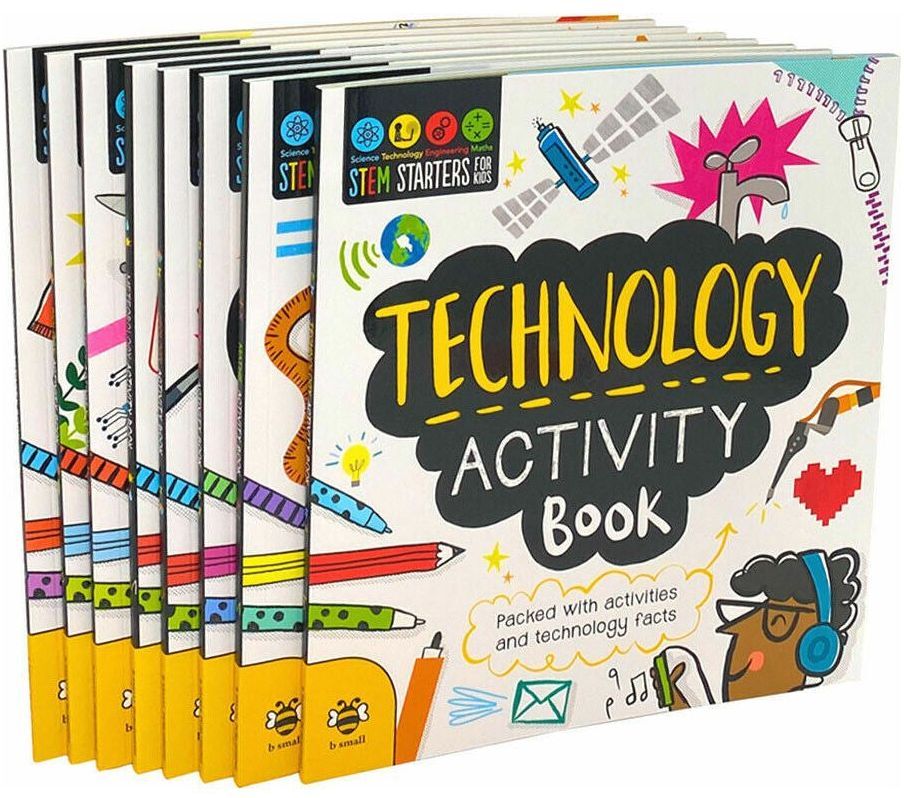
B Small Publishing STEM Educational Activity 8 Books Collection Set STEM Starters for Kids Science, Biology, Maths, Engineering, Meteorology for Early LearnersInspire curiosity and a love of learning with the STEM Educational Activity 8 Books Set, specially designed to introduce children to key STEM subjects through fun, hands-on activities. This engaging STEM Starters for Kids collection covers essential topics such as Maths, Engineering, Meteorology, and core scientific concepts, helping young learners build problem-solving skills, logical thinking, and creativity. Each book features age-appropriate explanations, interactive exercises, and simple activities that make complex ideas easy to understand. Ideal for home learning, classrooms, homeschooling, and after-school enrichment, this 8-book set supports early educational development while keeping children motivated and confident in STEM subjects. Why Parents & Educators Love This Set: 8 educational STEM activity books in one collection Introduces Maths, Engineering, Meteorology & Science Encourages critical thinking and problem-solving Hands-on activities that make learning fun Suitable for ages 5–10 Perfect for home, school, or gift giving A strong foundation for future learning, the STEM Educational Activity 8 Books Set helps children explore how the world works while developing essential academic and life skills. Science Activity Book In this particular title, little scientists will love the mix of non-fiction and activities in this educational book full of BIG ideas.Fun games and puzzles teach boys and girls about smells and taste buds, the power of magnetism, how sound travels and the different types of energy that fuel our lives and our world. Biology Activity Book Fun games and puzzles teach boys and girls about biology, plants, biomes, ecology, nature, digestion and the human body. Robotics Activity Book Fun games and puzzles teach boys and girls about robotics, automation, programming and engineering. Start a lifelong passion for STEM subjects. Meteorology Fun games and puzzles teach boys and girls about climates, the power of storms, how rain happens and the different ways of measuring the weather. Geology Fun games and puzzles teach boys and girls about rocks and fossils, the power of volcanoes, how earthquakes happen and the origin of the oil that fuels our lives and our world. Engineering Activity Book Fun games and puzzles teach boys and girls about structures that use science and technology to improve our lives. Engineering is what brings machines to life. Technology Activity Book Fun games and puzzles teach boys and girls about digital developments like mobile phones and the internet to more old-fashioned inventions like zips and door hinges. Maths Activity Book Fun games and puzzles teach boys and girls how to solve problems using addition, subtraction, multiplication and division.Maths is a huge part of science, technology and engineering.12,99 £*Shipping: 2,99 £Secure redirect to the provider
-
HARPERCOLLINS Annie Grace Collection 3 Books Set (The Alcohol Experiment, The Alcohol Experiment Journal, This Naked Mind)This Naked Mind This Naked Mind offers a new solution. Packed with surprising insight into the reasons we drink, it will open your eyes to the startling role of alcohol in our culture. Annie Grace brilliantly weaves psychological, neurological, cultural, social and industry factors with her extraordinarily candid journey resulting in a must read for anyone who drinks. The Alcohol Experiment There are a million reasons why you might drink. It tastes great. You feel more sociable. Sex is better. It helps you relax. But are you really in control? Whether you’re reading this because you know you drink too much and want to quit, or whether you just want to cut back for a while, this book is for you.The Alcohol Experiment is a 30-day programme with a difference. The Alcohol Experiment Journal Using thought-provoking prompts, checklists, and activities, Annie Grace will help you to examine what's really happening when you drink, what it is you get out of it, and whether you really need it at all. Eye-opening and empowering, this journal will transform your attitude to alcohol, for good.20,95 £*Shipping: 2,99 £Secure redirect to the provider
-
What is the difference between polytheism and henotheism?
Polytheism is the belief in multiple deities or gods, where each god has its own unique powers and characteristics. Henotheism, on the other hand, is the belief in multiple gods but with the recognition of one primary god that is worshipped above all others. In henotheism, followers may acknowledge the existence of other gods but choose to focus their worship and devotion on one main deity. **
-
In which countries is there still strong polytheism?
Strong polytheism is still practiced in countries such as India, Nepal, Japan, and various parts of Africa. In India, Hinduism is the predominant religion, which is polytheistic and has a wide array of gods and goddesses. In Nepal, the traditional religion of the country, known as Kiratism, is polytheistic and worships a pantheon of deities. Shintoism in Japan is also a polytheistic religion that venerates a multitude of kami (spirits or gods). Additionally, various African countries have indigenous religions that are polytheistic in nature, with a belief in multiple deities and spirits. **
-
Can someone explain the terms polytheism and monotheism?
Polytheism is the belief in and worship of multiple deities or gods. This means that followers of polytheistic religions believe in the existence of several gods, each with their own powers and responsibilities. Examples of polytheistic religions include Hinduism, ancient Greek and Roman religions, and various indigenous belief systems. On the other hand, monotheism is the belief in and worship of a single, all-powerful deity. This means that followers of monotheistic religions believe in the existence of only one god, who is seen as the creator and ruler of the universe. Examples of monotheistic religions include Christianity, Islam, and Judaism. **
-
Why do people believe in multiple gods in polytheism?
People believe in multiple gods in polytheism because they see the world as complex and diverse, and they believe that different gods have different powers and responsibilities. They may also believe that each god represents different aspects of life, such as love, war, nature, or wisdom. Additionally, polytheistic beliefs often reflect the cultural and historical diversity of a society, with different gods representing different regions, traditions, and historical events. Overall, polytheism allows for a more nuanced and diverse understanding of the divine and the world. **
* All prices are inclusive of VAT and, if applicable, plus shipping costs. The offer information is based on the details provided by the respective shop and is updated through automated processes. Real-time updates do not occur, so deviations can occur in individual cases. ** Note: Parts of this content were created by AI.