Buy lopezrubiolab.eu ?
We are moving the project
lopezrubiolab.eu .
Are you interested in purchasing the domain
lopezrubiolab.eu ?
domain@kv-gmbh.de · 0541-91531010
Buy lopezrubiolab.eu ?
What is a multi-stage random experiment?
A multi-stage random experiment is an experiment that involves multiple stages or steps, each of which involves a random component. At each stage, a random event or outcome occurs, which then influences the subsequent stages of the experiment. This type of experiment is often used in complex decision-making processes or in situations where there are multiple factors that can influence the outcome. Each stage of the experiment adds another layer of randomness and uncertainty, making the overall outcome more difficult to predict. **
What is a single-stage random experiment?
A single-stage random experiment is an experiment in which a single observation or measurement is made and the outcome is uncertain. In this type of experiment, there is only one stage or step involved in the process, and the outcome is determined by chance. Examples of single-stage random experiments include flipping a coin, rolling a die, or selecting a card from a deck. The outcome of a single-stage random experiment is typically described in terms of probabilities and can be analyzed using probability theory. **

Similar search terms for Stage
Top-Angebote
Products related to Stage:
-
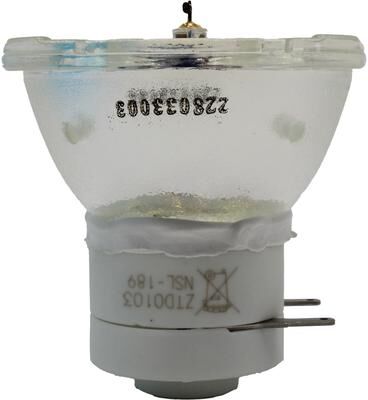
Ushio U-Stage 2R High-Pressure Stage Lamp for the EK Lighting M130Ushio U-Stage 2R High-Pressure Stage Lamp for the EK Lighting M130 Specifications: Product Code: EK Lighting M130 (2R) Lumen: 5150 lm Color Temperature: 8000K Watts: 132W Volts: 69V Arc Gap: 0.8mm Burn Position: Universal Working Distance: 37.7 mm...89,99 $*Shipping: 0,00 $Secure redirect to the provider
-
Ushio U-Stage 2R High-Pressure Stage Lamp for the Sagitter SG PrinceUshio U-Stage 2R High-Pressure Stage Lamp for the Sagitter SG Prince Specifications: Product Code: Sagitter SG Prince (2R) Lumen: 5150 lm Color Temperature: 8000K Watts: 132W Volts: 69V Arc Gap: 0.8mm Burn Position: Universal Working Distance: 37.7...89,99 $*Shipping: 0,00 $Secure redirect to the provider
-
Ushio U-Stage 2R High-Pressure Stage Lamp for the Ablelite ADA 132BUshio U-Stage 2R High-Pressure Stage Lamp for the Ablelite ADA 132B Specifications: Product Code: Ablelite ADA 132B (2R) Lumen: 5150 lm Color Temperature: 8000K Watts: 132W Volts: 69V Arc Gap: 0.8mm Burn Position: Universal Working Distance: 37.7 mm...89,99 $*Shipping: 0,00 $Secure redirect to the provider
-
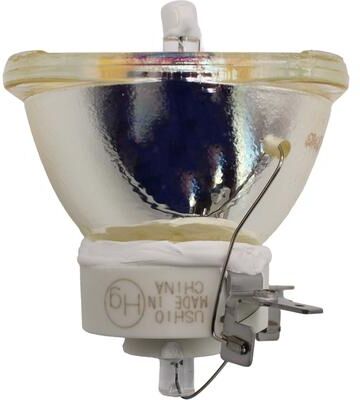
Ushio U-Stage NSL-300 15R Super High-Pressure Discharge Stage Lamp - 5002465Ushio U-Stage NSL-300 15R Super High-Pressure Discharge Stage Lamp for the following Moving Head Fixtures: CHAUVET PROFESSIONAL NSL300W, Clay Paky Sharpy, Elation Platinum Beam 5R, Elation Platinum Beam 5R Pro, Elation Platinum Spot 5R, Elation...209,99 $*Shipping: 0,00 $Secure redirect to the provider



-
How does a multi-stage random experiment work in mathematics?
A multi-stage random experiment in mathematics involves a series of interconnected random events or trials. At each stage, a random outcome is determined, and the result of each stage influences the subsequent stages. The overall outcome of the experiment is determined by the combined results of all the stages. This type of experiment is often used to model real-world situations where multiple random variables interact with each other to produce a final outcome. The probabilities of different outcomes at each stage can be calculated using probability theory, and the overall probability of a particular outcome can be determined by considering all possible combinations of results from each stage. **
-
What is the extended stage and what is the main stage?
The extended stage refers to the area surrounding the main stage in a theater or performance venue. It includes the wings, backstage area, and any additional space used for set changes, prop storage, and actor entrances and exits. The main stage, on the other hand, is the central performance area where the main action of the play or performance takes place. It is the focal point of the audience's attention and where the primary scenes and interactions between characters occur. **
-
What do you mean by the topic of a single-stage random experiment?
The topic of a single-stage random experiment refers to the specific event or outcome that is being studied within the experiment. In a single-stage experiment, there is only one stage or trial involved, and the focus is on observing the outcome of that particular event. The topic could be anything from the result of flipping a coin to the success of a medical treatment in a clinical trial. Understanding the topic of a single-stage random experiment is crucial for analyzing the results and drawing meaningful conclusions from the data collected. **
-
What are stage forms?
Stage forms refer to the different types of theatrical productions that can be performed on stage. These forms can include plays, musicals, operas, ballets, and other types of performances. Each stage form has its own unique characteristics, such as the use of dialogue, music, dance, and visual elements, that contribute to the overall storytelling and artistic expression of the production. Different stage forms can cater to different audiences and artistic preferences, offering a diverse range of experiences for theatergoers. **

What is stage fright?
Stage fright is a feeling of nervousness or anxiety that arises when a person is about to perform in front of an audience. It can manifest as physical symptoms such as sweating, trembling, or a racing heart. Stage fright can affect anyone, from seasoned performers to first-time speakers, and is a common experience for many people. It is often caused by a fear of judgment or failure, and can be managed through techniques such as deep breathing, visualization, and practice. **
What are stage shapes?
Stage shapes refer to the different configurations or layouts that a stage can take on for a performance. These shapes can include proscenium, thrust, arena, and black box stages, each with its own unique characteristics and advantages. The choice of stage shape can impact the audience experience, sightlines, acoustics, and overall atmosphere of a performance. Different types of performances may benefit from different stage shapes depending on the desired interaction between performers and audience. **
Top-Angebote
Products related to Stage:
-
Ushio U-Stage 2R High-Pressure Stage Lamp for the Robe MiniPointeUshio U-Stage 2R High-Pressure Stage Lamp for the Robe MiniPointe Specifications: Product Code: Robe MiniPointe (2R) Lumen: 5150 lm Color Temperature: 8000K Watts: 132W Volts: 69V Arc Gap: 0.8mm Burn Position: Universal Working Distance: 37.7 mm...89,99 $*Shipping: 0,00 $Secure redirect to the provider
-
Ushio U-Stage 5R High Pressure Stage Lamp for the ADJ Ninja 5RXUshio U-Stage 5R High Pressure Stage Lamp for the ADJ Ninja 5RX Specifications: Product Code: ADJ Ninja 5RX (5R) Lumen: 8000 lm Color Temperature: 8000K Watts: 189W Volts: 75V Arc Gap: 0.9mm Burn Position: Universal Working Distance: 34.5 mm Average...97,99 $*Shipping: 0,00 $Secure redirect to the provider
-
Ushio U-Stage 2R High-Pressure Stage Lamp for the EK Lighting M130Ushio U-Stage 2R High-Pressure Stage Lamp for the EK Lighting M130 Specifications: Product Code: EK Lighting M130 (2R) Lumen: 5150 lm Color Temperature: 8000K Watts: 132W Volts: 69V Arc Gap: 0.8mm Burn Position: Universal Working Distance: 37.7 mm...89,99 $*Shipping: 0,00 $Secure redirect to the provider
-
Ushio U-Stage 2R High-Pressure Stage Lamp for the Sagitter SG PrinceUshio U-Stage 2R High-Pressure Stage Lamp for the Sagitter SG Prince Specifications: Product Code: Sagitter SG Prince (2R) Lumen: 5150 lm Color Temperature: 8000K Watts: 132W Volts: 69V Arc Gap: 0.8mm Burn Position: Universal Working Distance: 37.7...89,99 $*Shipping: 0,00 $Secure redirect to the provider
-
What is a multi-stage random experiment?
A multi-stage random experiment is an experiment that involves multiple stages or steps, each of which involves a random component. At each stage, a random event or outcome occurs, which then influences the subsequent stages of the experiment. This type of experiment is often used in complex decision-making processes or in situations where there are multiple factors that can influence the outcome. Each stage of the experiment adds another layer of randomness and uncertainty, making the overall outcome more difficult to predict. **
-
What is a single-stage random experiment?
A single-stage random experiment is an experiment in which a single observation or measurement is made and the outcome is uncertain. In this type of experiment, there is only one stage or step involved in the process, and the outcome is determined by chance. Examples of single-stage random experiments include flipping a coin, rolling a die, or selecting a card from a deck. The outcome of a single-stage random experiment is typically described in terms of probabilities and can be analyzed using probability theory. **
-
How does a multi-stage random experiment work in mathematics?
A multi-stage random experiment in mathematics involves a series of interconnected random events or trials. At each stage, a random outcome is determined, and the result of each stage influences the subsequent stages. The overall outcome of the experiment is determined by the combined results of all the stages. This type of experiment is often used to model real-world situations where multiple random variables interact with each other to produce a final outcome. The probabilities of different outcomes at each stage can be calculated using probability theory, and the overall probability of a particular outcome can be determined by considering all possible combinations of results from each stage. **
-
What is the extended stage and what is the main stage?
The extended stage refers to the area surrounding the main stage in a theater or performance venue. It includes the wings, backstage area, and any additional space used for set changes, prop storage, and actor entrances and exits. The main stage, on the other hand, is the central performance area where the main action of the play or performance takes place. It is the focal point of the audience's attention and where the primary scenes and interactions between characters occur. **
Similar search terms for Stage
-
Ushio U-Stage 2R High-Pressure Stage Lamp for the Ablelite ADA 132BUshio U-Stage 2R High-Pressure Stage Lamp for the Ablelite ADA 132B Specifications: Product Code: Ablelite ADA 132B (2R) Lumen: 5150 lm Color Temperature: 8000K Watts: 132W Volts: 69V Arc Gap: 0.8mm Burn Position: Universal Working Distance: 37.7 mm...89,99 $*Shipping: 0,00 $Secure redirect to the provider
-
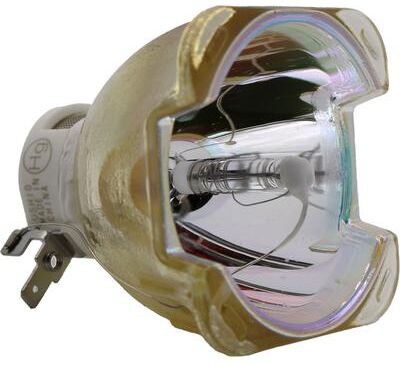
Ushio U-Stage NSL-300 15R Super High-Pressure Discharge Stage Lamp - 5002465Ushio U-Stage NSL-300 15R Super High-Pressure Discharge Stage Lamp for the following Moving Head Fixtures: CHAUVET PROFESSIONAL NSL300W, Clay Paky Sharpy, Elation Platinum Beam 5R, Elation Platinum Beam 5R Pro, Elation Platinum Spot 5R, Elation...209,99 $*Shipping: 0,00 $Secure redirect to the provider
-
Ushio U-Stage 2R High-Pressure Stage Lamp for the ADJ Warlock DMXUshio U-Stage 2R High-Pressure Stage Lamp for the ADJ Warlock DMX Specifications: Product Code: ADJ Warlock DMX (2R) Lumen: 5150 lm Color Temperature: 8000K Watts: 132W Volts: 69V Arc Gap: 0.8mm Burn Position: Universal Working Distance: 37.7 mm...89,99 $*Shipping: 0,00 $Secure redirect to the provider
-
Ushio U-Stage NSL-400 6000h Super High-Pressure Discharge Stage Lamp - 5003386Ushio U-Stage NSL-400 6000h Super High-Pressure Discharge Stage Lamp for the following Moving Head Fixtures: Chauvet Professional Outcast 1 Hybrid Lamp Specifications Specifications Data Product Code NSL-400 Lumens 26000 Color Temperature 7600k...399,99 $*Shipping: 0,00 $Secure redirect to the provider
-
What do you mean by the topic of a single-stage random experiment?
The topic of a single-stage random experiment refers to the specific event or outcome that is being studied within the experiment. In a single-stage experiment, there is only one stage or trial involved, and the focus is on observing the outcome of that particular event. The topic could be anything from the result of flipping a coin to the success of a medical treatment in a clinical trial. Understanding the topic of a single-stage random experiment is crucial for analyzing the results and drawing meaningful conclusions from the data collected. **
-
What are stage forms?
Stage forms refer to the different types of theatrical productions that can be performed on stage. These forms can include plays, musicals, operas, ballets, and other types of performances. Each stage form has its own unique characteristics, such as the use of dialogue, music, dance, and visual elements, that contribute to the overall storytelling and artistic expression of the production. Different stage forms can cater to different audiences and artistic preferences, offering a diverse range of experiences for theatergoers. **
-
What is stage fright?
Stage fright is a feeling of nervousness or anxiety that arises when a person is about to perform in front of an audience. It can manifest as physical symptoms such as sweating, trembling, or a racing heart. Stage fright can affect anyone, from seasoned performers to first-time speakers, and is a common experience for many people. It is often caused by a fear of judgment or failure, and can be managed through techniques such as deep breathing, visualization, and practice. **
-
What are stage shapes?
Stage shapes refer to the different configurations or layouts that a stage can take on for a performance. These shapes can include proscenium, thrust, arena, and black box stages, each with its own unique characteristics and advantages. The choice of stage shape can impact the audience experience, sightlines, acoustics, and overall atmosphere of a performance. Different types of performances may benefit from different stage shapes depending on the desired interaction between performers and audience. **
* All prices are inclusive of VAT and, if applicable, plus shipping costs. The offer information is based on the details provided by the respective shop and is updated through automated processes. Real-time updates do not occur, so deviations can occur in individual cases. ** Note: Parts of this content were created by AI.