Buy lopezrubiolab.eu ?
We are moving the project
lopezrubiolab.eu .
Are you interested in purchasing the domain
lopezrubiolab.eu ?
domain@kv-gmbh.de · 0541-91531010
Buy lopezrubiolab.eu ?
What is the experiment in chemistry involving cold and hot water?
The experiment involving cold and hot water in chemistry is known as a temperature change experiment. In this experiment, two containers are filled with equal amounts of water, one with cold water and the other with hot water. By measuring the initial and final temperatures of the water in each container, students can observe and compare how heat energy is transferred between the two containers, leading to a temperature change. This experiment helps students understand concepts such as heat transfer, thermal equilibrium, and the relationship between temperature and energy. **
What is the experiment in chemistry with cold and hot water?
The experiment in chemistry with cold and hot water involves observing the rate of dissolution of a solute in each type of water. By adding the same amount of solute to both cold and hot water, students can observe how temperature affects the speed at which the solute dissolves. This experiment demonstrates the concept of solubility and the effect of temperature on the rate of dissolution in a simple and visual way. It also allows students to practice making observations and drawing conclusions based on their results. **

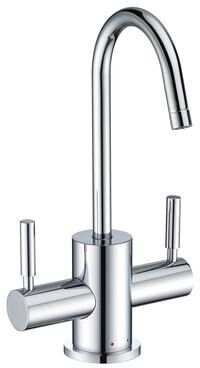
Similar search terms for Whitehaus-Collection-Cold-Water
Top-Angebote
Products related to Whitehaus-Collection-Cold-Water:
-
Whitehaus Collection Point of Use Instant Hot/Cold Water Drinking Faucet with Traditional Swivel SpoutCrafted with classic sophistication, this solid metal faucet pairs seamlessly with reverse osmosis or advanced filtration systems, delivering pure, crystal-clear hot water on demand—without the hassle or waste of bottled water.466,90 $*Shipping: 0,00 $Secure redirect to the provider
-
Whitehaus Collection Cyclonehaus Disposal ToolThe Whitehaus Collection Multi-Purpose garbage disposal tool safely pushes garbage and kitchen waste into your garbage disposal. This tool can be used as a Dish Scrapper to scrap all dishes clean.35,00 $*Shipping: 0,00 $Secure redirect to the provider
-
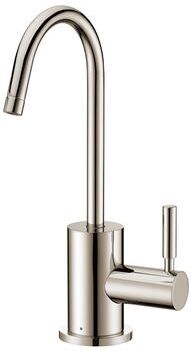
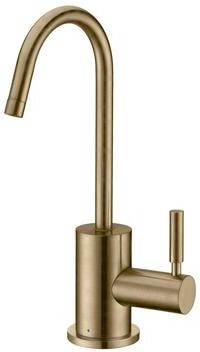
Whitehaus Collection Cold Water Point of Use FaucetCrafted with classic sophistication, this solid metal faucet pairs seamlessly with filtration systems, delivering pure hydration without the hassle of bottled water. Classic Swivel Spout: Traditional design with effortless positioning.370,30 $*Shipping: 0,00 $Secure redirect to the provider



-
Is warm water lighter than cold water?
No, warm water is actually lighter than cold water. When water is heated, the molecules move faster and spread out, causing the water to expand and become less dense. This means that the same volume of warm water will weigh less than the same volume of cold water. Therefore, warm water will float on top of cold water. **
-
Does cold water boil faster?
No, cold water does not boil faster than hot water. In fact, hot water will reach its boiling point faster than cold water because it is already closer to the boiling temperature. Cold water will take longer to heat up and reach the boiling point. The time it takes for water to boil depends on the initial temperature of the water and the heat source. **
-
Why is cold water salty?
Cold water can be salty due to the presence of dissolved salts, such as sodium chloride, in the water. These salts can come from various sources, including the erosion of rocks and minerals, as well as the runoff from land. When these salts dissolve in water, they contribute to its salinity. Additionally, in colder regions, the freezing and melting of ice can also concentrate the salt content in the remaining liquid water, making it saltier. **
-
Why doesn't cold water steam?
Cold water does not steam because steam is formed when water reaches its boiling point and turns into vapor. Cold water is not hot enough to reach its boiling point and therefore does not produce steam. In order for water to steam, it needs to be heated to at least 212 degrees Fahrenheit (100 degrees Celsius) at sea level. **

Is the water too cold?
The perception of whether the water is too cold is subjective and can vary from person to person. Some people may find the water too cold, while others may find it refreshing. Factors such as the temperature of the water, the individual's tolerance to cold, and the purpose for being in the water (e.g. swimming, bathing, or sports) can all influence whether the water is considered too cold. It's important to consider these factors and listen to one's own body when determining if the water is too cold. **
Does cold water boil faster than warm water?
No, cold water does not boil faster than warm water. In fact, warm water will reach its boiling point faster than cold water because it is already closer to the boiling temperature. **
Top-Angebote
Products related to Whitehaus-Collection-Cold-Water:
-
Whitehaus Collection Cold Water Point of Use FaucetCrafted with classic sophistication, this solid metal faucet pairs seamlessly with filtration systems, delivering pure hydration without the hassle of bottled water. Classic Swivel Spout: Traditional design with effortless positioning.297,85 $*Shipping: 0,00 $Secure redirect to the provider
-
Whitehaus Collection Hot/Cold Water Point of Use FaucetCrafted with classic sophistication, this solid metal faucet pairs seamlessly with filtration systems, delivering pure, crystal-clear hot water on demand—without the hassle or waste of bottled water.378,35 $*Shipping: 0,00 $Secure redirect to the provider
-
Whitehaus Collection Point of Use Instant Hot/Cold Water Drinking Faucet with Traditional Swivel SpoutCrafted with classic sophistication, this solid metal faucet pairs seamlessly with reverse osmosis or advanced filtration systems, delivering pure, crystal-clear hot water on demand—without the hassle or waste of bottled water.466,90 $*Shipping: 0,00 $Secure redirect to the provider
-
Whitehaus Collection Cyclonehaus Disposal ToolThe Whitehaus Collection Multi-Purpose garbage disposal tool safely pushes garbage and kitchen waste into your garbage disposal. This tool can be used as a Dish Scrapper to scrap all dishes clean.35,00 $*Shipping: 0,00 $Secure redirect to the provider
-
What is the experiment in chemistry involving cold and hot water?
The experiment involving cold and hot water in chemistry is known as a temperature change experiment. In this experiment, two containers are filled with equal amounts of water, one with cold water and the other with hot water. By measuring the initial and final temperatures of the water in each container, students can observe and compare how heat energy is transferred between the two containers, leading to a temperature change. This experiment helps students understand concepts such as heat transfer, thermal equilibrium, and the relationship between temperature and energy. **
-
What is the experiment in chemistry with cold and hot water?
The experiment in chemistry with cold and hot water involves observing the rate of dissolution of a solute in each type of water. By adding the same amount of solute to both cold and hot water, students can observe how temperature affects the speed at which the solute dissolves. This experiment demonstrates the concept of solubility and the effect of temperature on the rate of dissolution in a simple and visual way. It also allows students to practice making observations and drawing conclusions based on their results. **
-
Is warm water lighter than cold water?
No, warm water is actually lighter than cold water. When water is heated, the molecules move faster and spread out, causing the water to expand and become less dense. This means that the same volume of warm water will weigh less than the same volume of cold water. Therefore, warm water will float on top of cold water. **
-
Does cold water boil faster?
No, cold water does not boil faster than hot water. In fact, hot water will reach its boiling point faster than cold water because it is already closer to the boiling temperature. Cold water will take longer to heat up and reach the boiling point. The time it takes for water to boil depends on the initial temperature of the water and the heat source. **
Similar search terms for Whitehaus-Collection-Cold-Water
-
Whitehaus Collection Cold Water Point of Use FaucetCrafted with classic sophistication, this solid metal faucet pairs seamlessly with filtration systems, delivering pure hydration without the hassle of bottled water. Classic Swivel Spout: Traditional design with effortless positioning.370,30 $*Shipping: 0,00 $Secure redirect to the provider
-
Whitehaus Collection Cold Water Point of Use FaucetCrafted with classic sophistication, this solid metal faucet pairs seamlessly with filtration systems, delivering pure hydration without the hassle of bottled water. Classic Swivel Spout: Traditional design with effortless positioning.370,30 $*Shipping: 0,00 $Secure redirect to the provider
-
Why is cold water salty?
Cold water can be salty due to the presence of dissolved salts, such as sodium chloride, in the water. These salts can come from various sources, including the erosion of rocks and minerals, as well as the runoff from land. When these salts dissolve in water, they contribute to its salinity. Additionally, in colder regions, the freezing and melting of ice can also concentrate the salt content in the remaining liquid water, making it saltier. **
-
Why doesn't cold water steam?
Cold water does not steam because steam is formed when water reaches its boiling point and turns into vapor. Cold water is not hot enough to reach its boiling point and therefore does not produce steam. In order for water to steam, it needs to be heated to at least 212 degrees Fahrenheit (100 degrees Celsius) at sea level. **
-
Is the water too cold?
The perception of whether the water is too cold is subjective and can vary from person to person. Some people may find the water too cold, while others may find it refreshing. Factors such as the temperature of the water, the individual's tolerance to cold, and the purpose for being in the water (e.g. swimming, bathing, or sports) can all influence whether the water is considered too cold. It's important to consider these factors and listen to one's own body when determining if the water is too cold. **
-
Does cold water boil faster than warm water?
No, cold water does not boil faster than warm water. In fact, warm water will reach its boiling point faster than cold water because it is already closer to the boiling temperature. **
* All prices are inclusive of VAT and, if applicable, plus shipping costs. The offer information is based on the details provided by the respective shop and is updated through automated processes. Real-time updates do not occur, so deviations can occur in individual cases. ** Note: Parts of this content were created by AI.